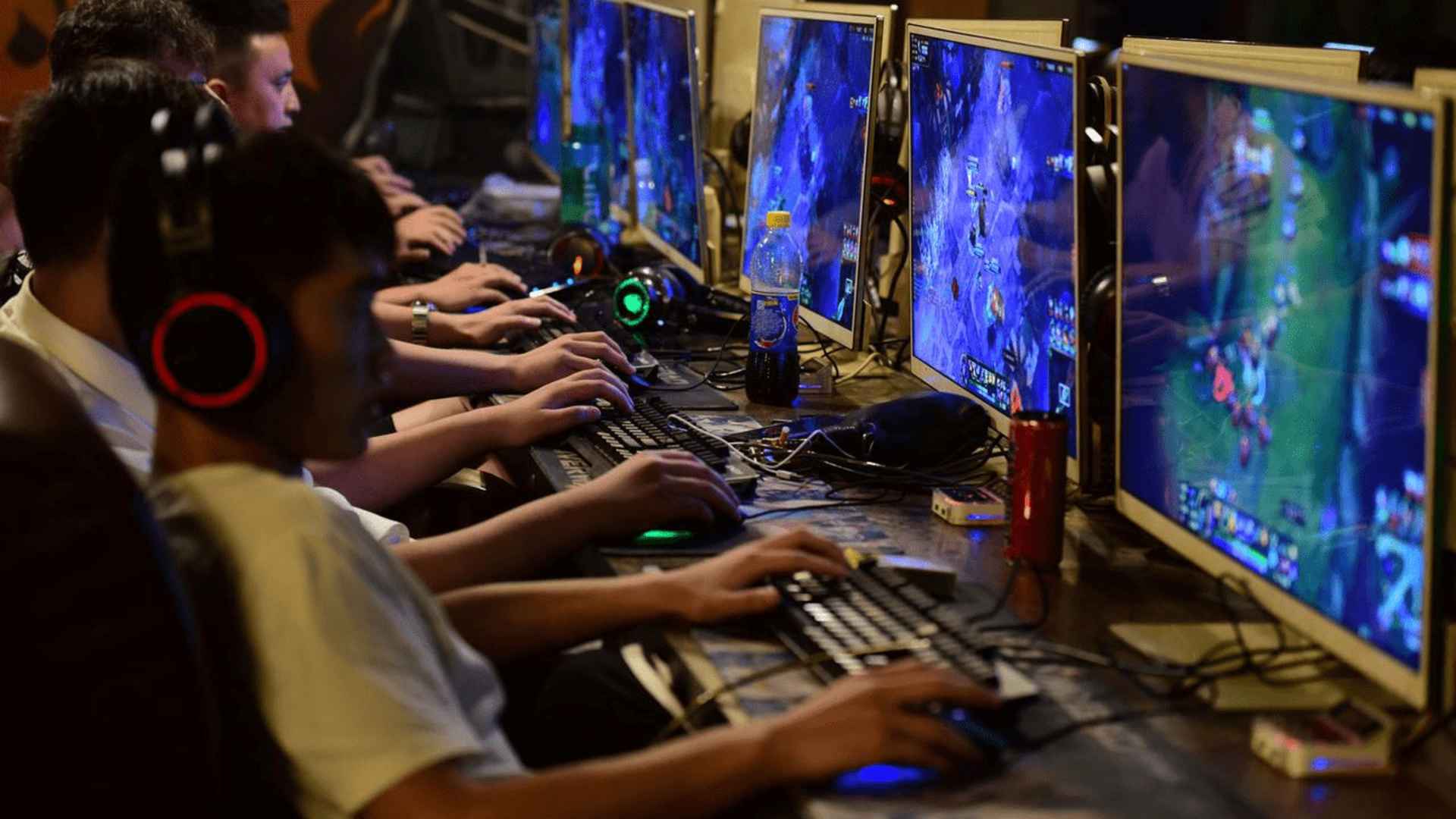
Experiencing unexpected frame drops and stuttering while playing games on Steam can severely interrupt an immersive gaming session. Understanding the underlying triggers behind poor performance is essential for applying the right remedies. Whether the issue stems from hardware bottlenecks, background software conflicts, or corrupted game files, systematic troubleshooting helps restore smooth gameplay.
Identifying System Hardware Limitations and Bottlenecks
Modern video games often push computer hardware to its absolute limits, requiring substantial processing power and memory capacity. If your graphics card or processor struggles to meet system requirements, low frame rates will naturally occur during intensive scenes. Upgrading key components or adjusting in-game visual settings can significantly alleviate these hardware-related performance constraints.
Insufficient RAM and slow storage devices like traditional hard drives can also lead to frequent stuttering and long loading times. Running titles off a fast solid-state drive ensures assets load smoothly without causing sudden frame drops. Monitoring your system performance during gameplay helps pinpoint which hardware component is maxing out.
Managing Background Processes and System Resource Allocation
Applications running in the background frequently consume valuable CPU cycles and system memory needed by your games. Web browsers, cloud syncing services, and antivirus scans can unexpectedly spike resource usage while Steam is active. Closing unnecessary programs before launching a game frees up essential resources for better performance.
Overlay applications from chat clients or recording software can also interfere with game rendering and lower overall stability. Disabling non-essential overlays allows the graphics driver to focus purely on delivering smooth frame rates. Adjusting power management settings to high performance ensures your system delivers maximum capability during gaming.
Optimizing Steam Client and In-Game Graphics Settings
The Steam client includes several features that can impact gameplay performance if not configured properly. Disabling background downloads while playing prevents network congestion and reduces disk write operations that cause stuttering. Clearing the Steam download cache can also resolve underlying file conflicts affecting overall stability.
In-game settings like render resolution, ray tracing, and high-detail shadows heavily impact overall frame rates. Dialing back demanding visual effects often yields a massive performance boost without sacrificing too much graphical fidelity. Enabling dynamic resolution scaling or upscaling technologies can further stabilize frame delivery in demanding titles.
Resolving Network Latency and Corrupted Installation Files
Online multiplayer games often suffer from lag caused by network instability, high ping, or packet loss rather than hardware issues. Using a wired Ethernet connection instead of Wi-Fi provides a much more stable data stream for online matches. Restarting network equipment and selecting regional servers close to your location helps maintain low ping times.
Game performance can also deteriorate if essential core files become corrupted during updates or crashes. Utilizing Steam's built-in tool to verify the integrity of game files replaces missing or damaged data automatically. Keeping graphics drivers updated regularly guarantees your system retains the latest performance optimizations and bug fixes for popular titles.